Walk-In Showers vs. Bathtubs: Which is Right for You?
One of the biggest choices in a bathroom remodel is deciding between a walk-in shower and a bathtub. At first, it might seem simple…pick the one you like. But there’s more to it. Your lifestyle, how you use the space, who lives in the home, and even future resale value all play a role.
If you live in Winston-Salem, Clemmons, Lewisville, or Bermuda Run, here’s what to think about before you commit.
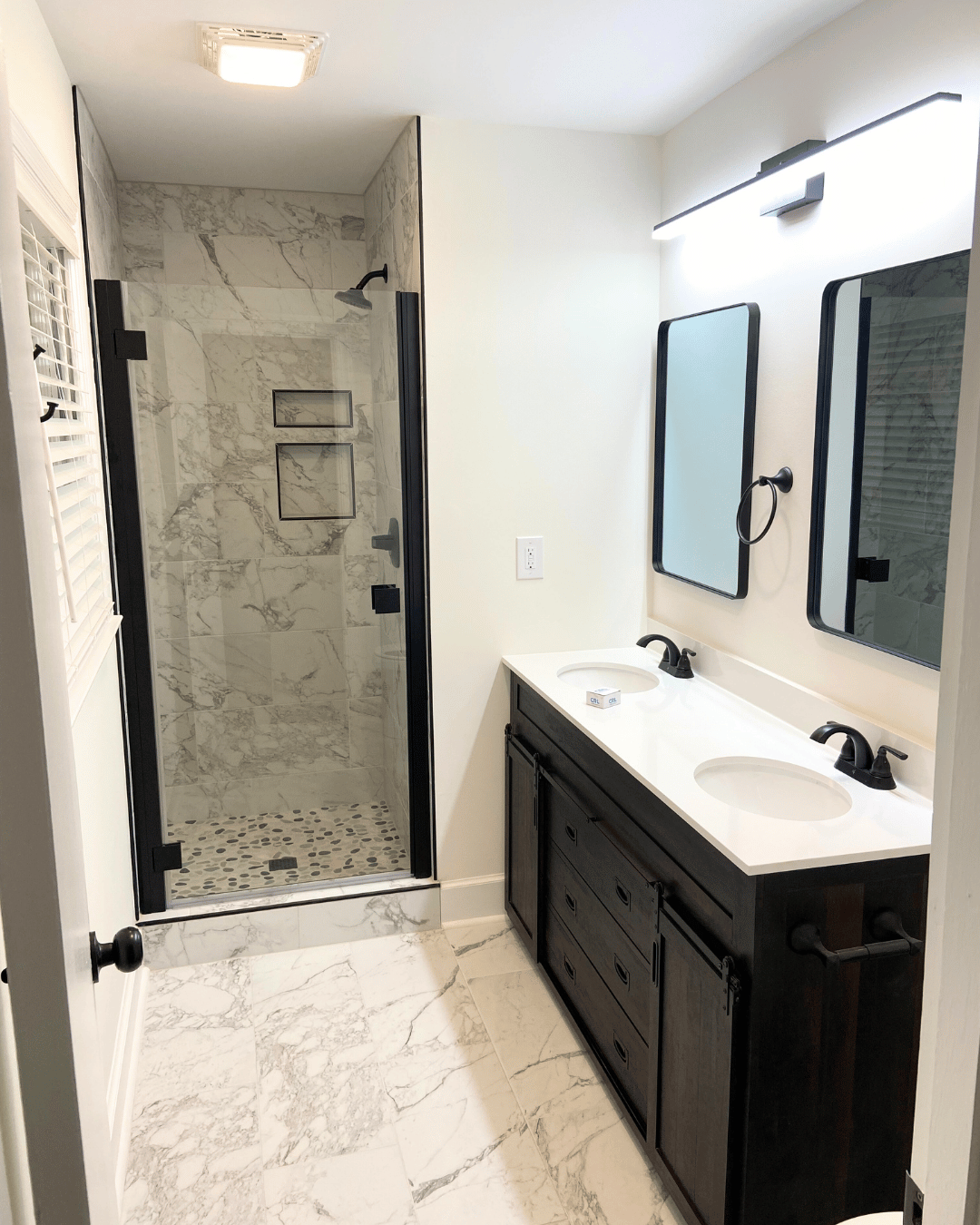
Why Walk-In Showers Are So Popular
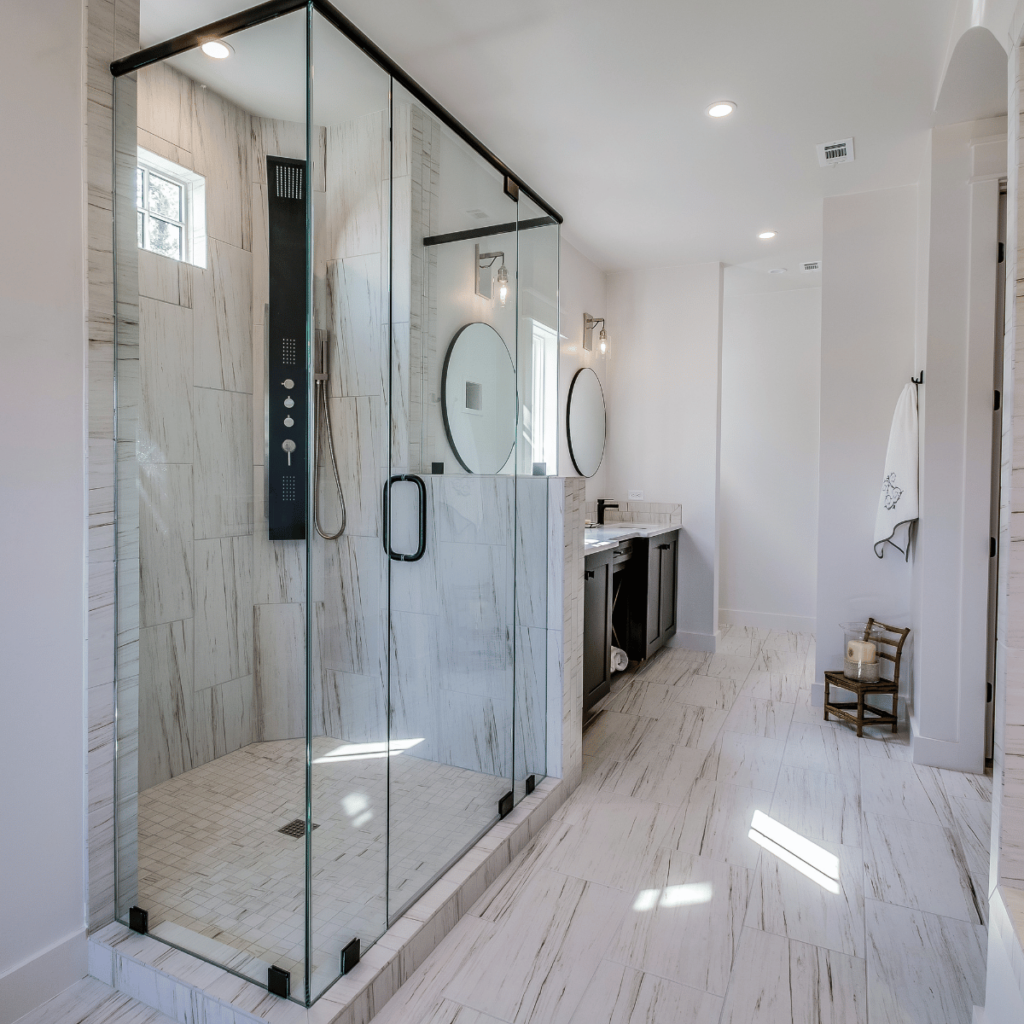
Walk-in showers are everywhere right now, and for good reason. They can make even a small bathroom feel bigger and more open.
The perks:
- No high edge to step over, which is great for accessibility and aging in place.
- Frameless glass keeps sightlines open, making the space look larger.
- Endless customization options: built-in benches, shampoo niches, multiple shower heads, rainfall fixtures, steam systems.
- Cleaning is easier without all the curves and crevices of a tub.
Potential downsides:
- You lose the option for a relaxing soak.
- Some buyers may see a lack of a tub as a negative, especially families with young children.
Real-world tip: If you’re planning to sell in the next few years and you only have one bathroom, keeping a tub somewhere in the house might be smart.
The Case for Bathtubs
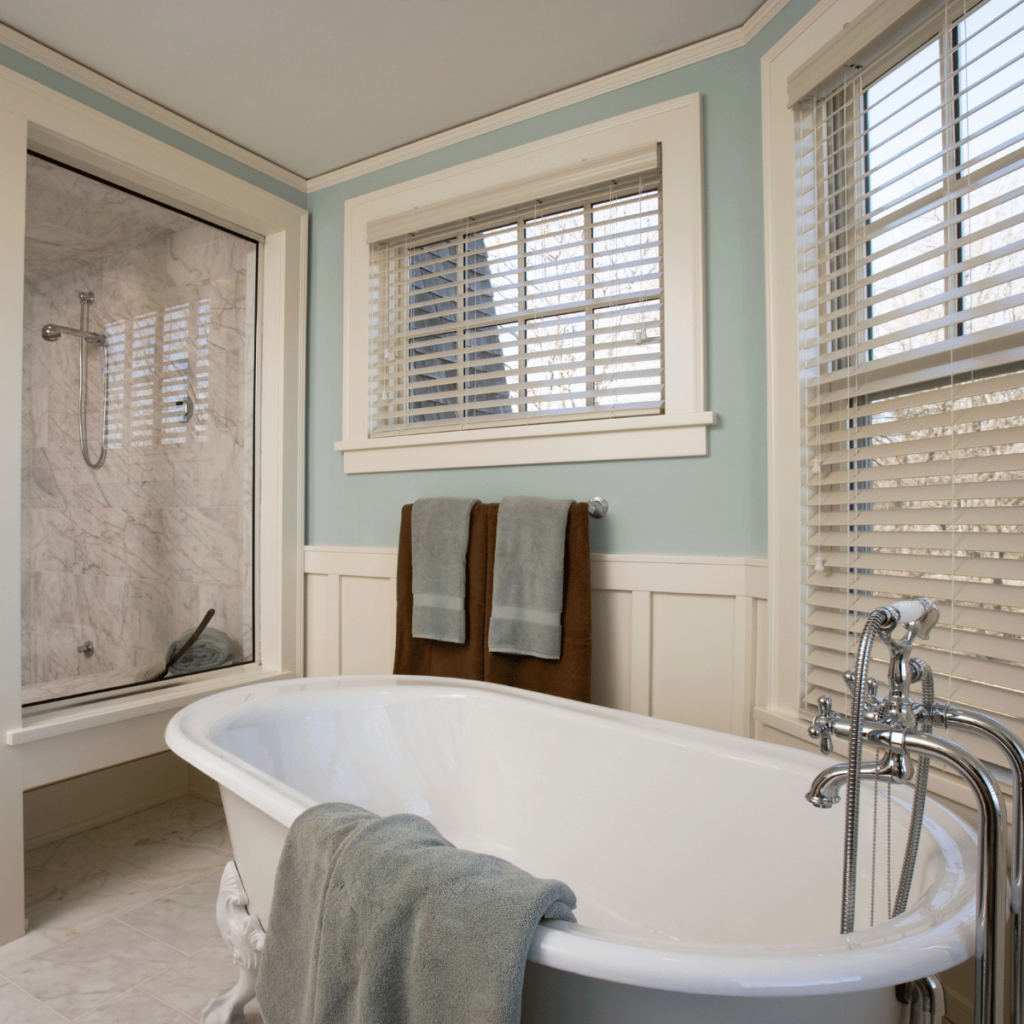
A bathtub might seem old-fashioned to some, but it’s still a must-have for many households. From functional needs to pure relaxation, tubs hold their own.
The perks:
- Ideal for soaking away stress at the end of the day.
- Easier for bathing small kids and even pets.
- Can be a selling point for certain buyers — many will look for at least one tub in the home.
- Wide variety of styles: standard alcove tubs, deep soaker tubs, clawfoot designs, and sleek modern freestanding options.
Things to keep in mind:
- Tubs take up more floor space.
- Getting in and out can be tricky for older adults or those with mobility challenges.
Installation, Plumbing, and Maintenance
Changing from a tub to a shower (or vice versa) isn’t just about swapping fixtures. Plumbing locations, waterproofing, and drainage may need to be adjusted. Walk-in showers often require more precise slope work to prevent pooling water. Tubs may need extra floor support if you’re choosing a heavy cast iron or stone style.
Maintenance is another consideration:
- Showers require keeping grout and glass spotless to avoid buildup.
- Tubs need occasional refinishing or caulking, especially around the edges.
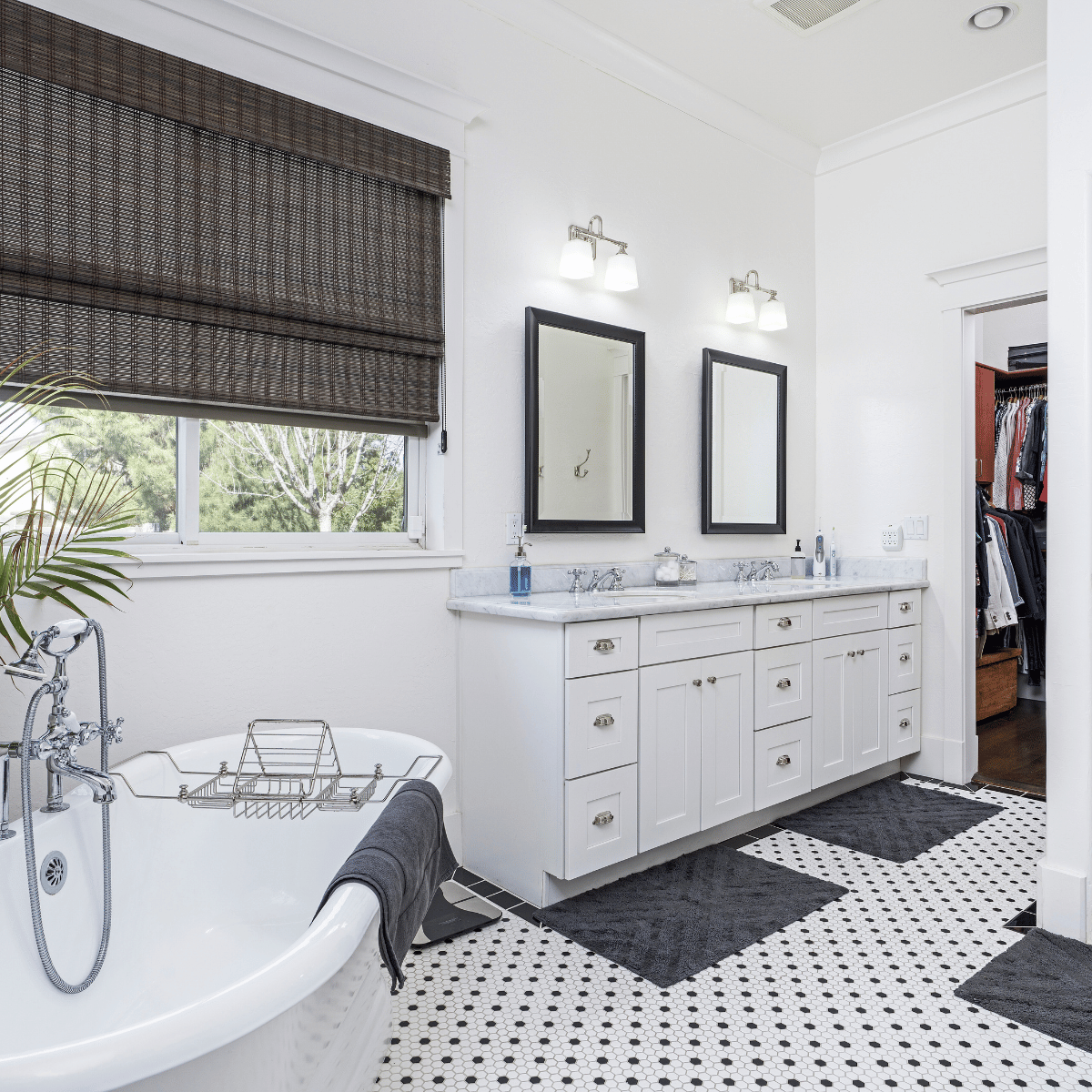
The Hybrid Solution
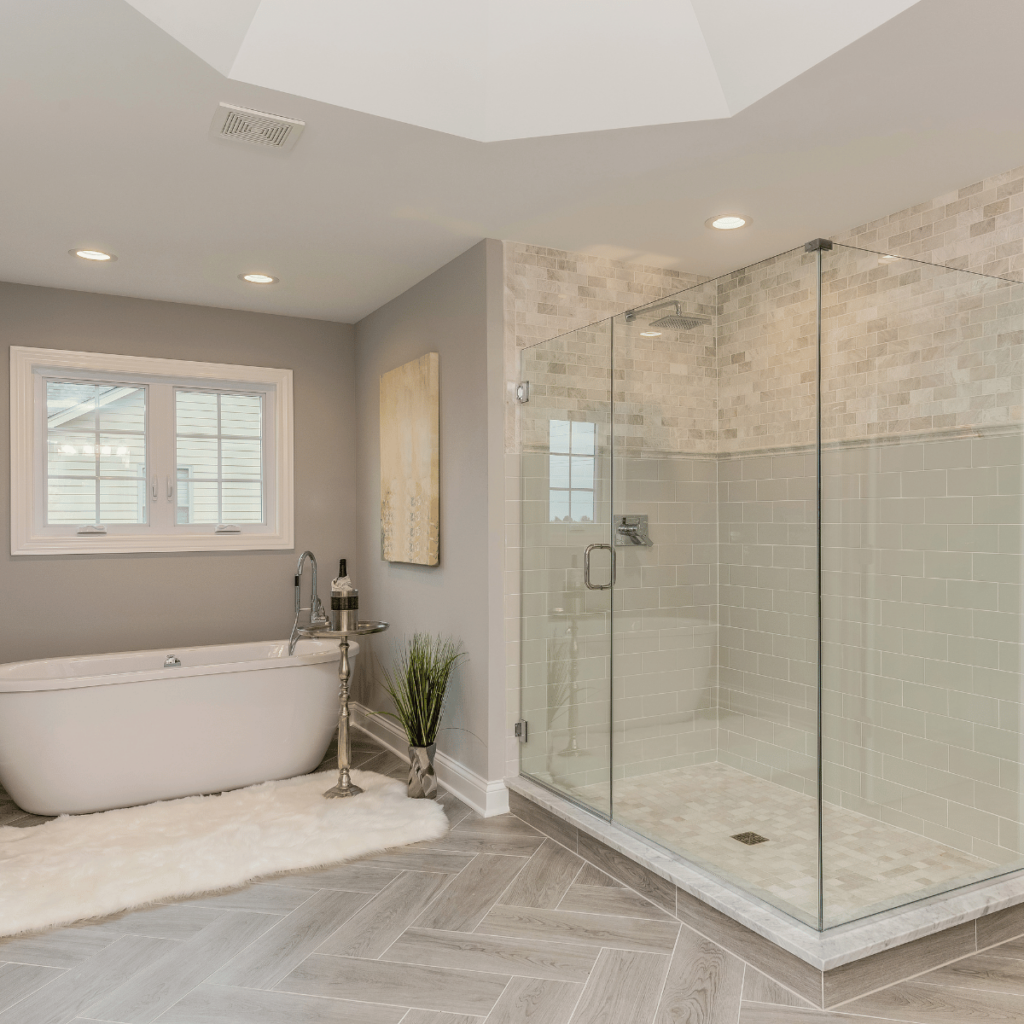
If you have the space, you don’t have to choose. Many homeowners add both a walk-in shower and a separate tub in the same bathroom, especially in primary suites. That way, you have the quick convenience of a shower and the luxury of a long soak when you want it.
Thinking Ahead to Resale
If you’re remodeling your forever home, focus on what makes you happiest. But if you think you’ll move in the next five to ten years, consider the local market. In many areas, having at least one tub somewhere in the home can broaden your pool of potential buyers.
Our Take
At Nagy Home Solutions, we’ve helped homeowners design spaces with both options. We’ll help you weigh the pros and cons, look at your floor plan, and create a bathroom that works for you now and still makes sense for the future.