The Permit Process for Home Additions
Adding on to your home can be exciting, but it also comes with rules, paperwork, and inspections that have to be followed. In North Carolina, the permit process is an important part of keeping your project legal and safe. If you live in Winston-Salem, Clemmons, Lewisville, or Bermuda Run, understanding the steps in advance will make the whole experience much smoother.
This guide will walk you through how permits work here locally, what special considerations you might face, and how Nagy Home Solutions can handle the entire process for you.
Why Permits Matter
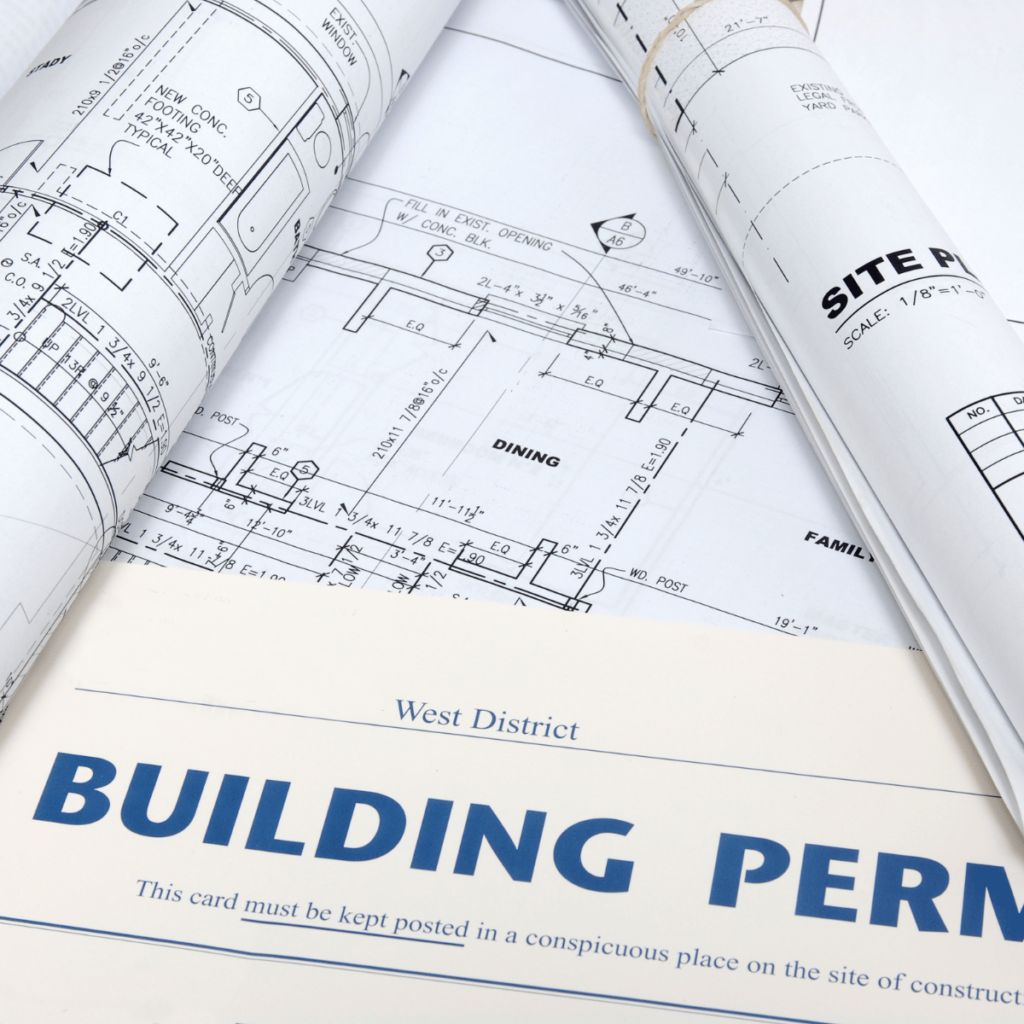
A building permit isn’t just red tape. It’s proof that your project meets safety standards, follows zoning rules, and complies with local codes. Skipping the permit process can lead to fines, project delays, or even having to tear work down. It also ensures that your addition won’t cause problems if you ever decide to sell your home.
Knowing When You Need a Permit
If you’re adding on to your home in any way, you’ll almost always need a building permit. That includes adding a room, building upward, or making changes to your plumbing, electrical, or HVAC systems. Smaller cosmetic updates might not require permits, but it’s always safer to ask first.
For homes in Winston-Salem city limits, you’ll work with the Inspections Division. If your property is in unincorporated Forsyth County, you’ll contact their Inspections Department. These offices can confirm exactly what paperwork your specific project will require.
Getting Your Paperwork Together
The paperwork step is where most homeowners get bogged down. For a typical home addition, you’ll likely need:
- Scaled site plan showing property lines, setbacks, and the location of your proposed addition. If this is NOT done properly, be prepared to go back and forth with the department, which also leads to a delay.
- Detailed construction drawings from an architect or engineer
- Health Department Release if you’re adding plumbing or bedrooms and your home is on septic
- Any required affidavits such as Worker’s Compensation or Lien Agent forms for larger projects
You’ll submit everything online through the GeoCivix portal, which handles permits and inspections for both the city and county.
How Long Review Usually Takes
Most residential plans in North Carolina are reviewed within 15 business days, but timelines can vary. Simple additions might be approved in just a few days. Larger projects, especially those involving structural changes or multiple trades, can take 3–4 weeks to review.
If you live in a historic district, such as West End, Old Salem, or Washington Park, allow extra time. You’ll need a Certificate of Appropriateness before your building permit can be issued. Staff-level reviews for minor projects are fairly quick, but bigger changes must go to the Historic Resources Commission, which meets monthly.
Construction and Inspections
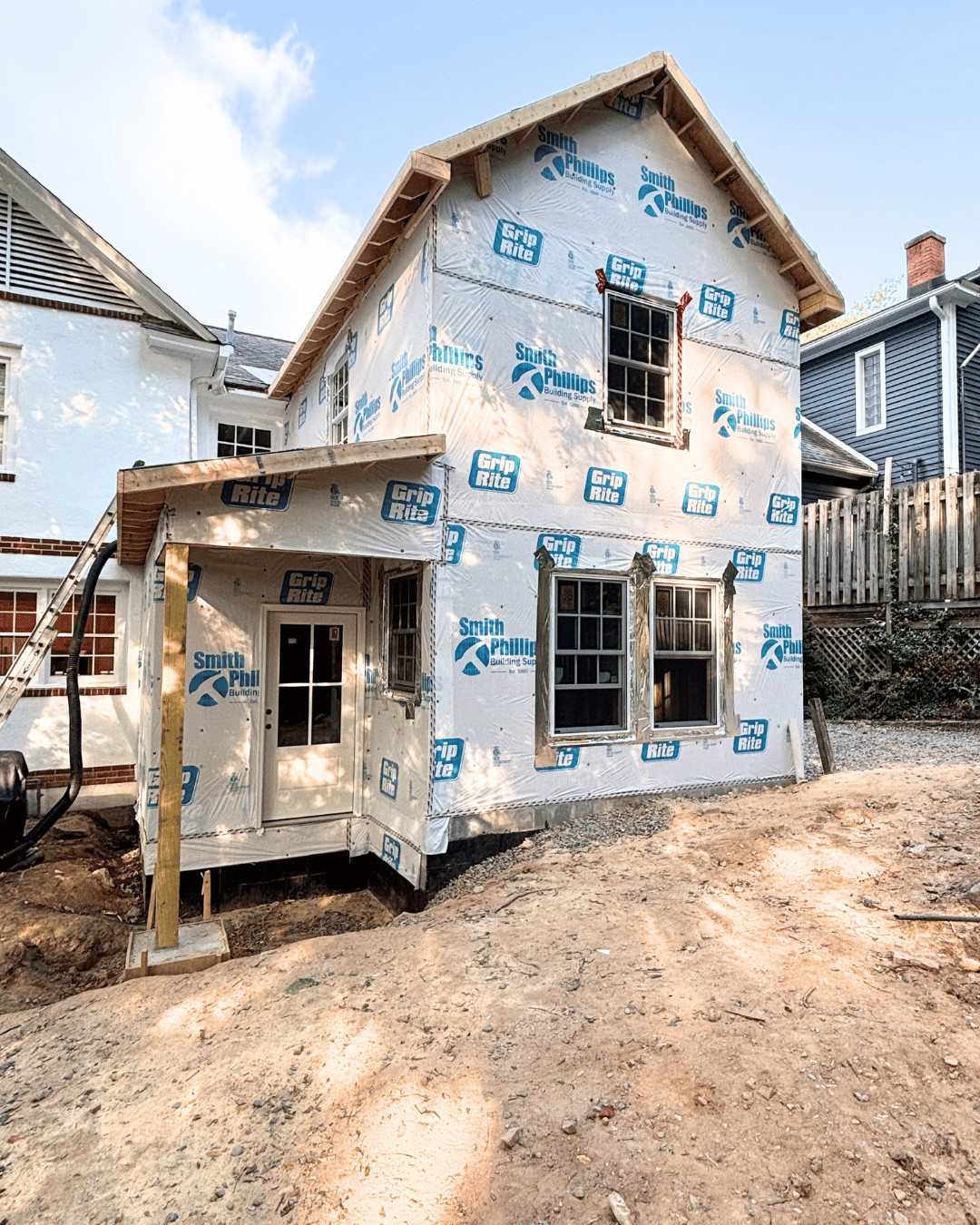
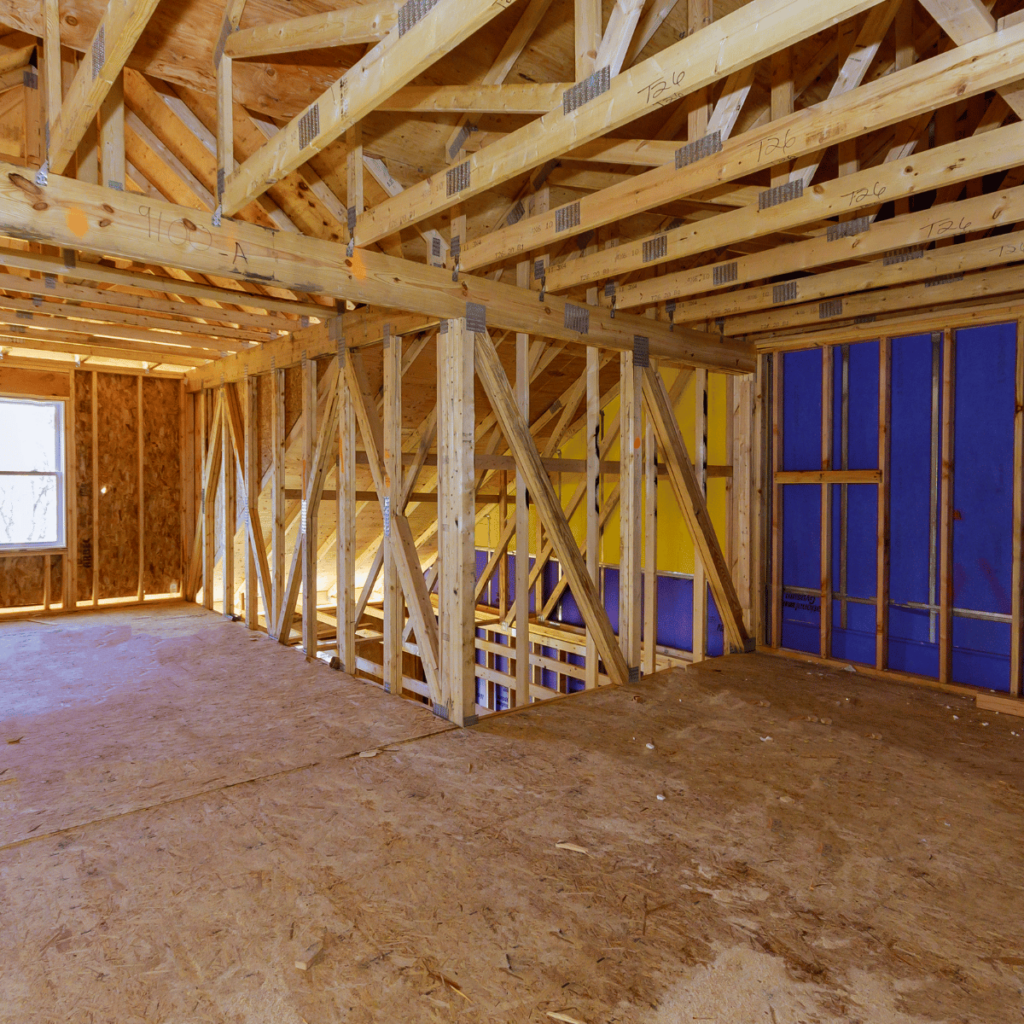
Once your permit is approved, construction can begin. The process will typically include:
- Demolition or site prep
- Foundation work
- Framing, plumbing, and electrical rough-ins
- Inspections at key stages to ensure compliance with building codes
- Final inspection for your Certificate of Occupancy
Your permit card must stay visible on site until the project is officially signed off.
Special Considerations for Historic Districts
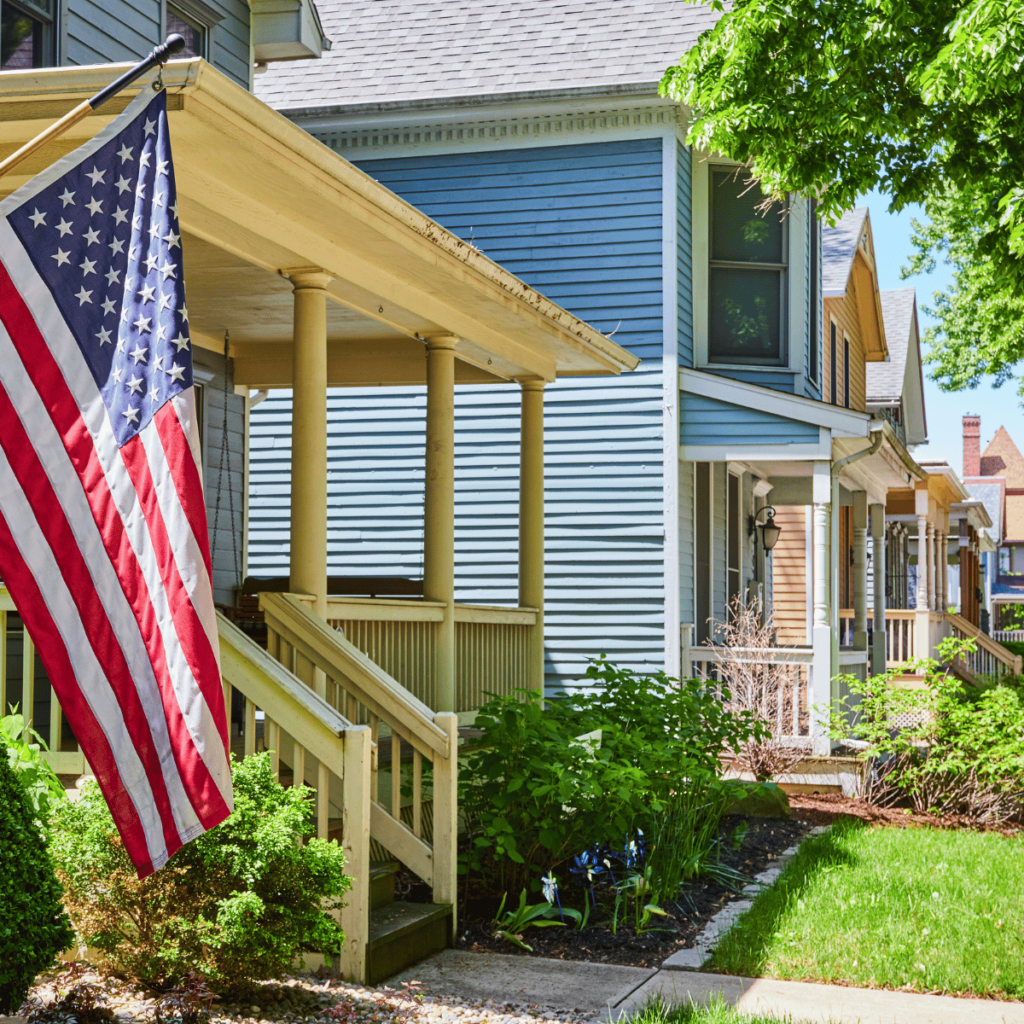
If your property is in one of Winston-Salem’s designated historic districts, you’ll need to follow strict guidelines on exterior changes. This might include specific requirements for rooflines, window styles, siding materials, and even paint colors. The Historic Resources Commission reviews these details to maintain the neighborhood’s character.
While this extra step can extend your project timeline, it also ensures your addition fits seamlessly into the area’s historic charm.
How Nagy Home Solutions Handles It for You
One of the biggest benefits of working with Matthew at Nagy Home Solutions is that you don’t have to manage any of this yourself. As a licensed general contractor in North Carolina, Matthew is experienced in preparing and submitting applications, coordinating with inspectors, and keeping projects on schedule.
While you’re choosing paint colors or planning furniture layouts, he’s making sure every permit, inspection, and approval is handled correctly the first time. This not only saves you time but also helps prevent delays or costly mistakes.
Typical Costs and Timelines
The cost of permits in Forsyth County will depend on the size and scope of your project. A small addition might have permit fees of a few hundred dollars, while larger builds can be higher.
Here’s a general idea of the timeline:
- Planning and documentation: 2–4 weeks
- Plan review and approval: 1–4 weeks (up to 30 days or more for historic district properties)
- Construction and inspections: 6–16 weeks depending on complexity
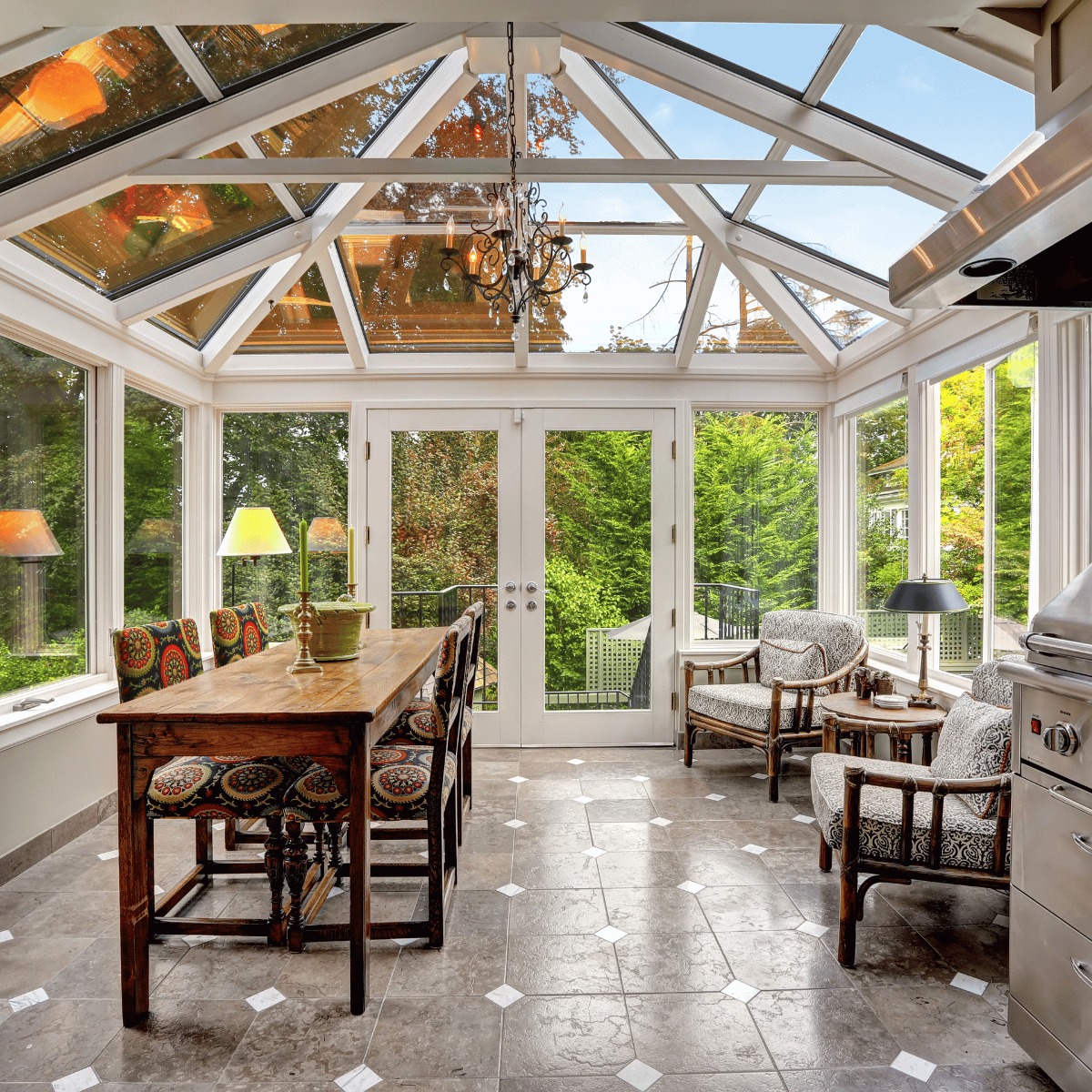
For example, a sunroom addition might be completed within 8–12 weeks after permits are issued. A full second story could take 3–6 months.
Final Thoughts
Getting a permit for your home addition is more than a box to check. It’s the key to ensuring your project is built safely, meets local requirements, and holds its value for years to come. By working with a licensed contractor who knows the local rules, you can focus on the exciting parts of your remodel while leaving the red tape to the pros.
Contact Nagy Home Solutions today to start your project the right way.