How to Plan a Sunroom Addition That Feels Like Part of Your Home
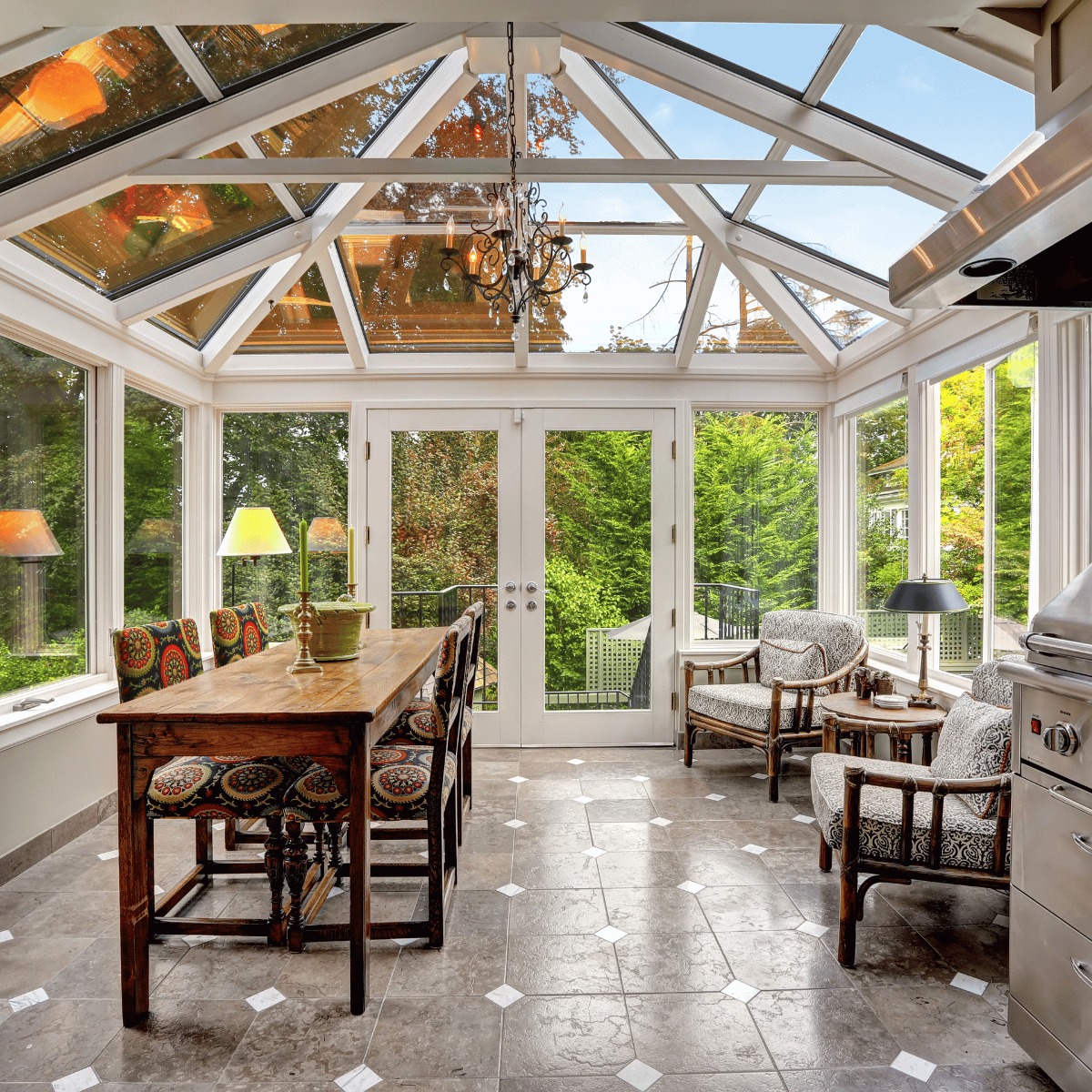
Adding a sunroom can be one of the most rewarding upgrades you make to your home. It’s a space that blurs the line between indoors and outdoors, giving you the best of both worlds, bright, airy mornings and cozy evenings without battling the weather.
If you’re in Winston-Salem, Clemmons, Lewisville, or Bermuda Run, you’ve probably noticed how much a well-designed sunroom can elevate a property. The key is making it look like it was part of the original build, not an afterthought.
Start with a Clear Vision for the Space
Before you start picking out flooring or paint colors, think about how you’ll actually use the room. A few examples we’ve seen locally:
- Morning coffee spot with big windows facing east for plenty of light.
- Reading nook with built-in shelving and a small fireplace.
- Year-round garden room for houseplants and fresh herbs.
- Family game space that’s sunny in the day but still comfortable after dark.
When you know the main purpose, it’s easier to make design and budget decisions that you won’t regret later.
Make It Match Your Home’s Style
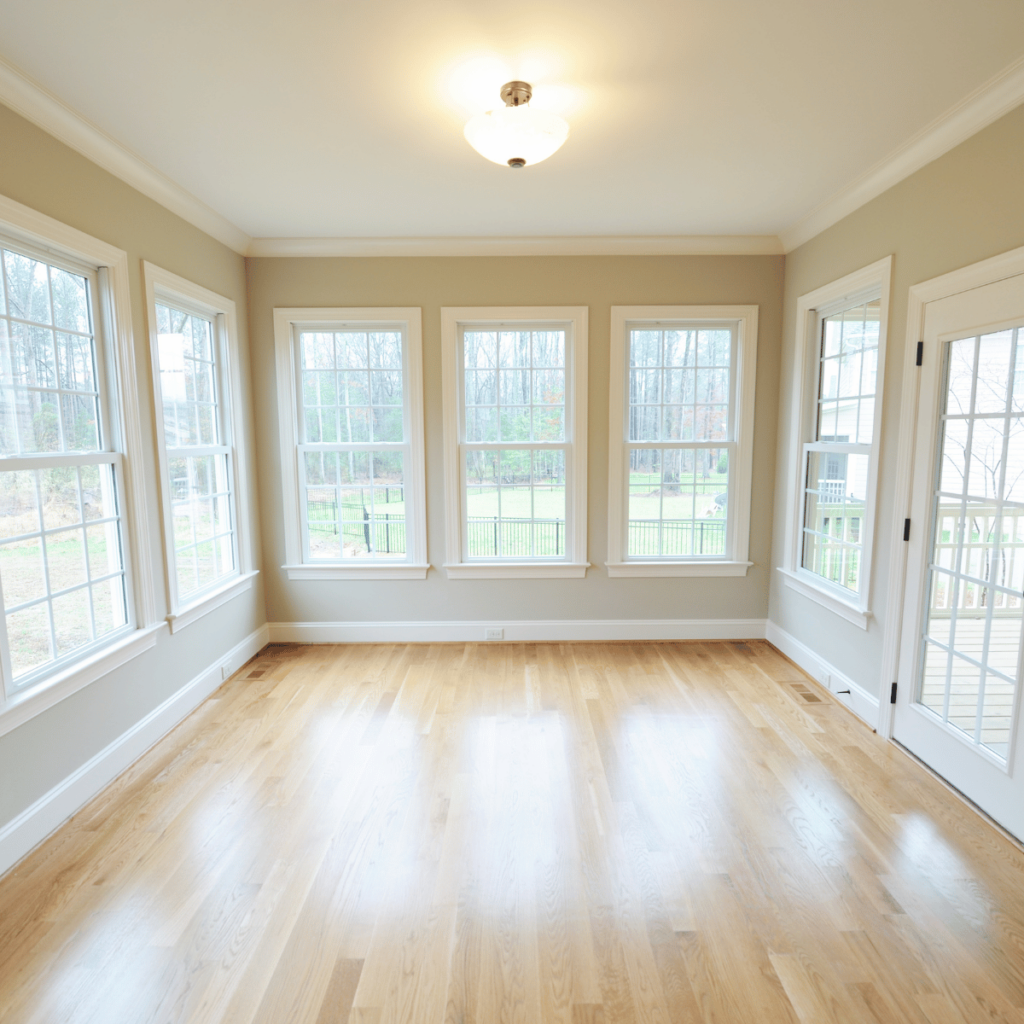
One of the fastest ways a sunroom can look “added on” is if the roofline, windows, or exterior finishes don’t align with the rest of the house. If you have brick, match it. If your home has craftsman-style trim, carry that into the new build. Inside, think about matching or blending your existing flooring, paint colors, and baseboards so the space feels like a natural extension.
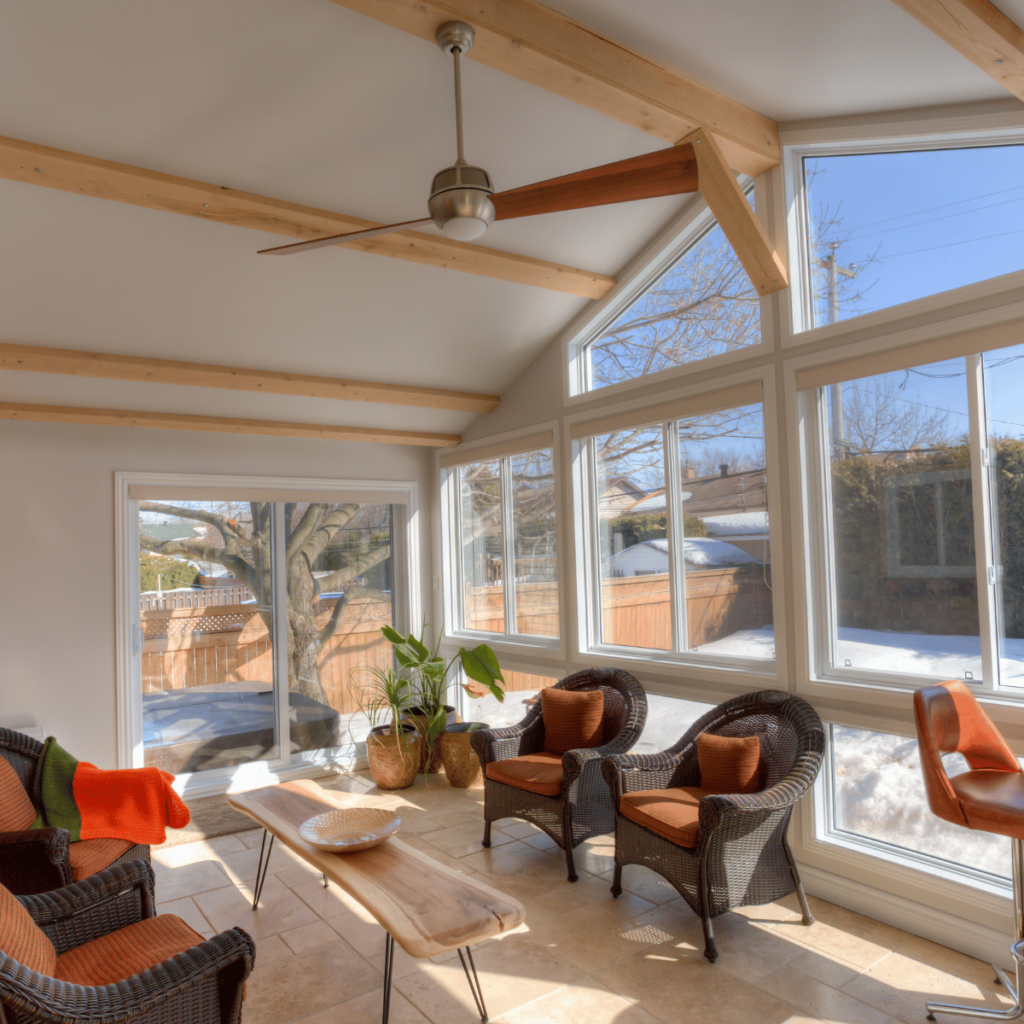
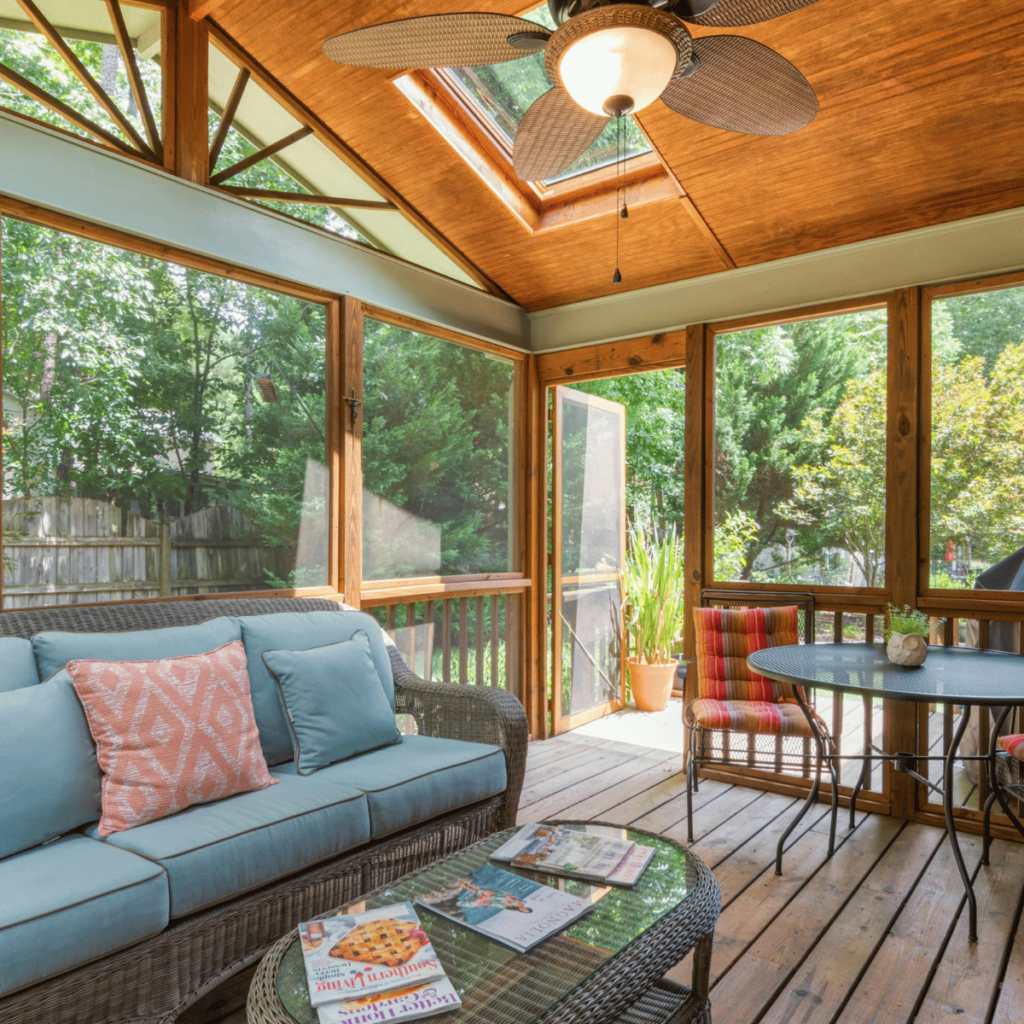
We recently worked on a Clemmons home where the owners wanted a rustic, lodge-like feel. By using the same wood trim and tying the ceiling beams into the existing living room, it felt like the house had always been that way.
Plan for All Seasons
North Carolina weather can swing from humid and hot to chilly in the span of a few months. If you want to use your sunroom more than just a few months out of the year, consider:
- Double-pane or insulated windows to help control temperature.
- Ceiling fans for summer airflow.
- Mini-split heat pumps or extending your home’s HVAC for heating and cooling.
- Window coverings to keep out harsh midday sun.
Choose Materials That Will Last
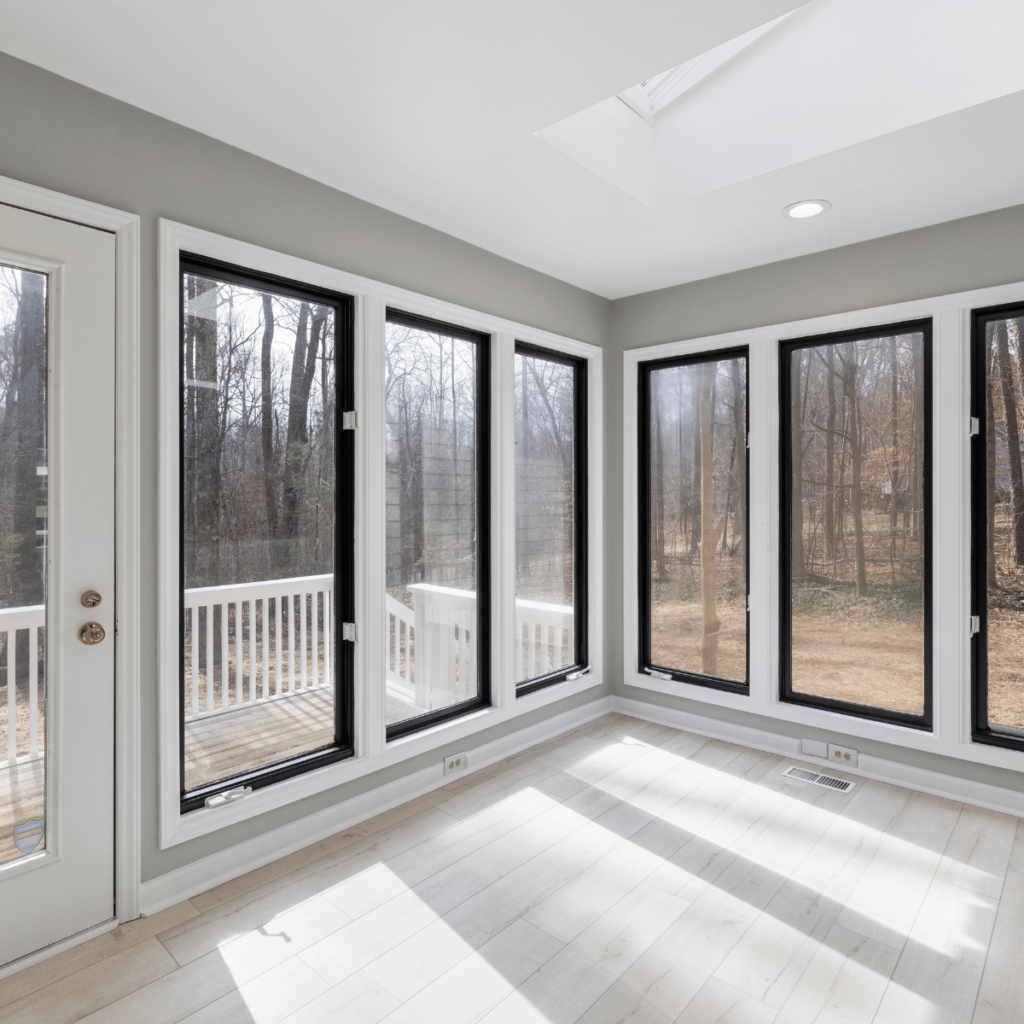
Sunrooms get more direct sunlight than almost any other room in the house, so fading and temperature changes can be a factor. Some durable, low-maintenance options include:
- Vinyl or fiberglass windows that resist warping and moisture.
- Tile or luxury vinyl flooring for fade resistance and easy cleaning.
- UV-resistant fabrics for cushions and rugs.
Budgeting and Timeline
In the Triad area, costs can vary based on size, finishes, and whether it’s a three-season or four-season space. On average:
- Three-season sunroom: $25,000–$45,000+
- Four-season sunroom: $40,000–$70,000+
Here’s a typical timeline once plans are approved:
- Design and planning: 3–6 weeks
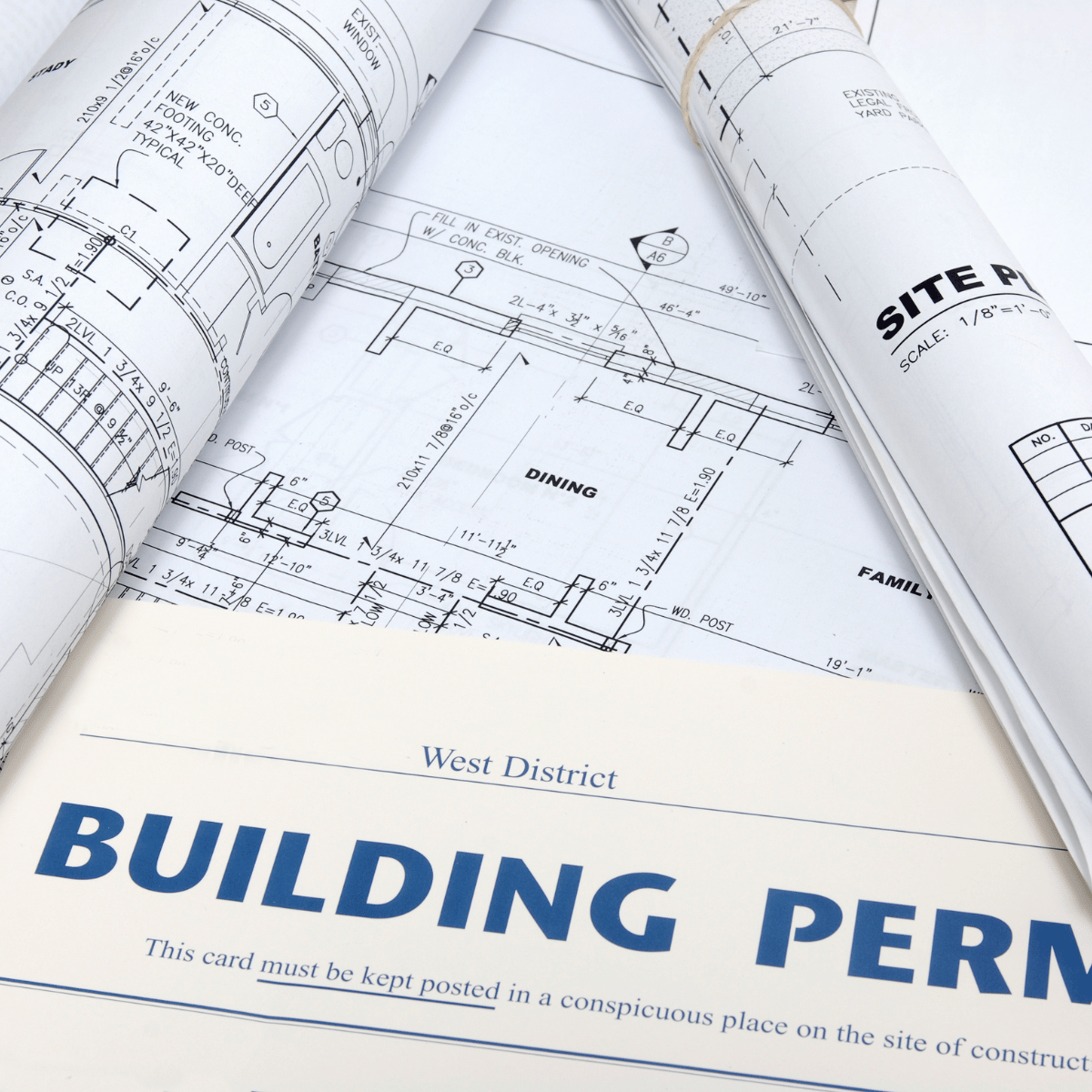
- Permits: 2–4 weeks (can overlap with planning)
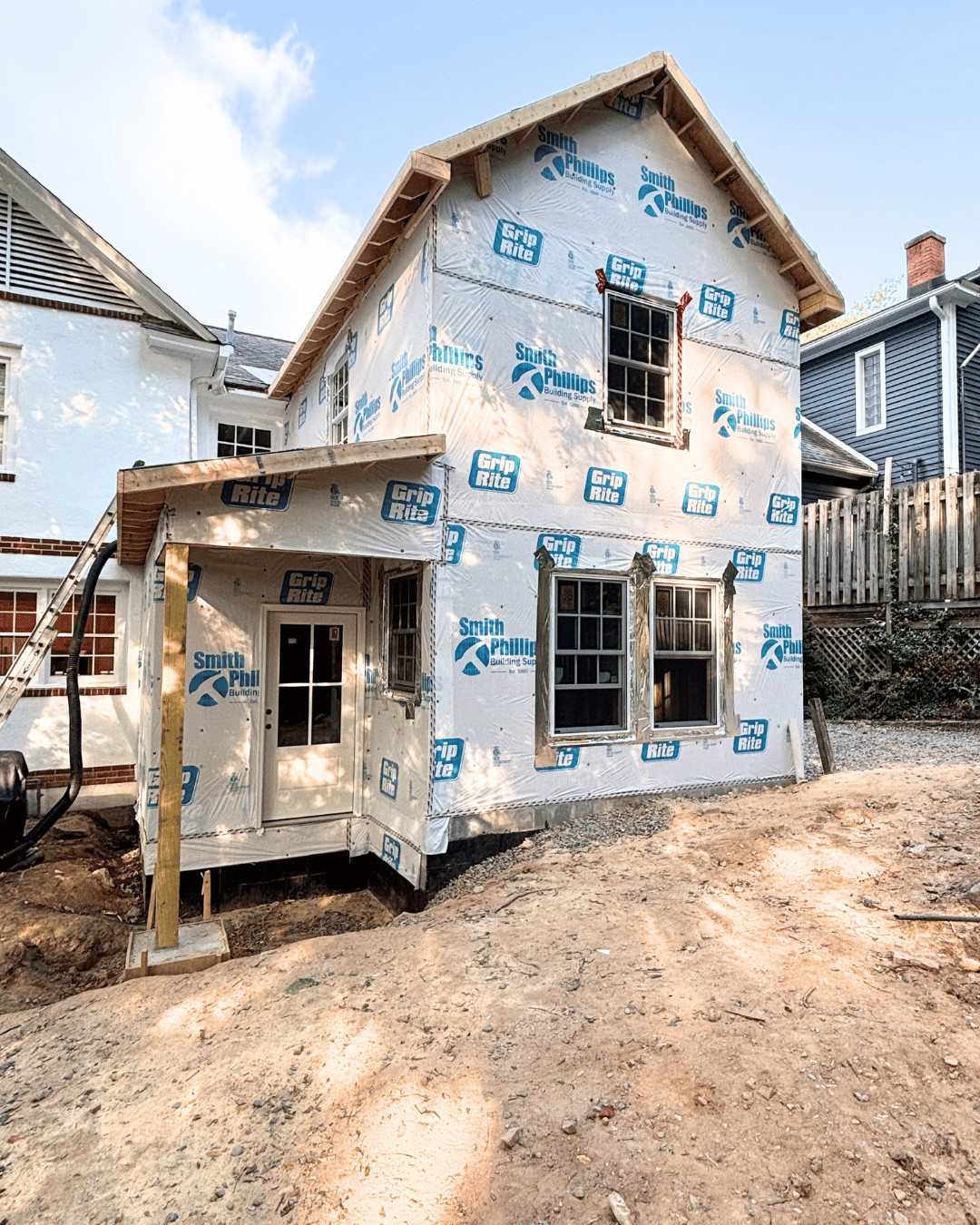
- Construction: 6–12 weeks
Keep in mind, factors like custom windows or supply delays can extend the process, so building in a little flexibility helps avoid frustration.
Work with a Contractor Who Knows the Area
Local experience matters. We know the permitting requirements for Forsyth and Davie counties, and we’ve seen how certain materials hold up in our climate over time. At Nagy Home Solutions, we focus on additions that don’t just look great the day they’re built — they age gracefully with your home.
See The Importance of Clear Communication in Home Remodeling and Choosing the Right Contractor in Winston-Salem: A Homeowner’s Checklist.