Cost Factors to Consider Before Adding a Second Story
If you’ve ever looked around your home and thought, “We just need more space,” adding a second story can be a game changer. Instead of spreading out into your yard, you build up, giving your family room to grow without losing outdoor space. It’s a big project, and it’s important to understand where the money goes before you start making plans.
In the Triad, we’ve seen everything from straightforward second-story builds to highly customized projects with big architectural features. The difference in cost between those two can be significant.
Structural Strength Comes First
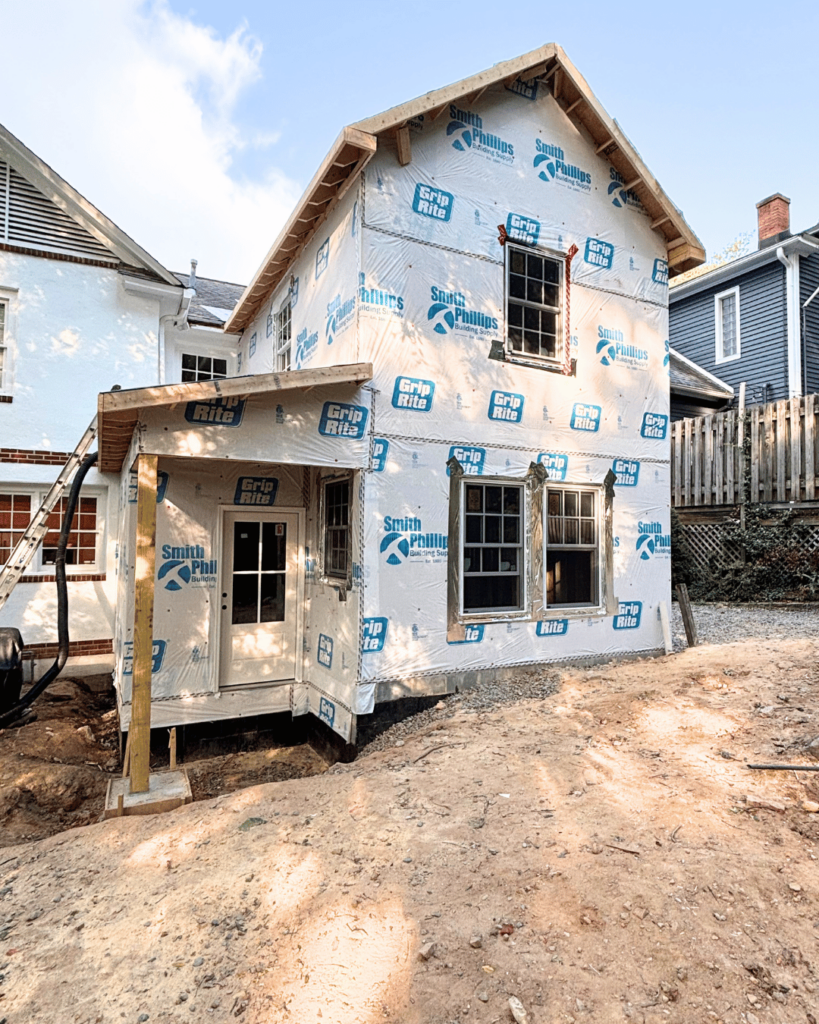
One of the first steps is having a structural engineer look at your home’s foundation and framing. They’ll check if it can support the extra weight. Sometimes, only minor reinforcements are needed. In other cases, you may be looking at major upgrades before any new framing goes up. That’s why a structural check should happen early.
How Design Impacts Price
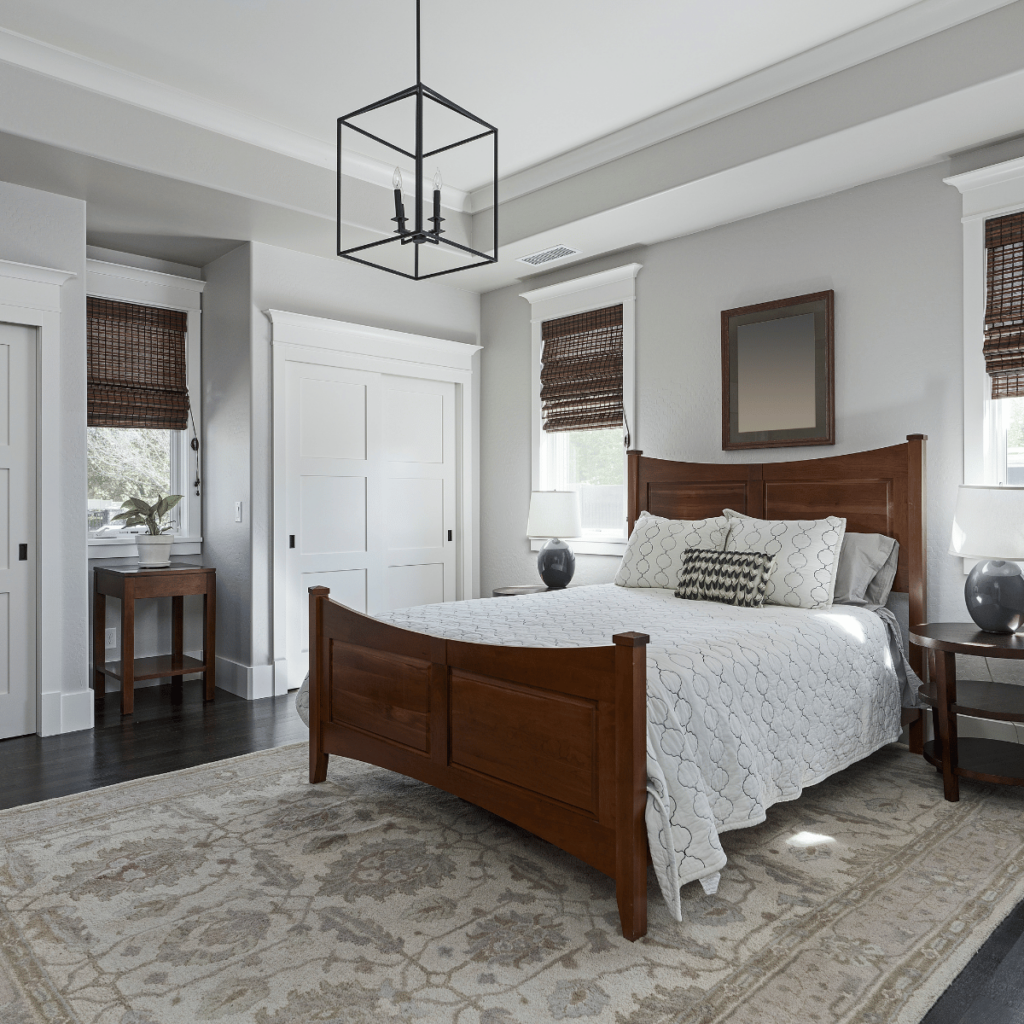
A simple, rectangular addition with a basic roofline is usually more budget-friendly. When you start adding multiple roof peaks, dormers, or unusual shapes, you increase both labor and material costs. It’s not just the look, complicated designs also take longer to build.
If your goal is to get more square footage without breaking the bank, a clean design and efficient layout are your best friends.
Material Choices Matter
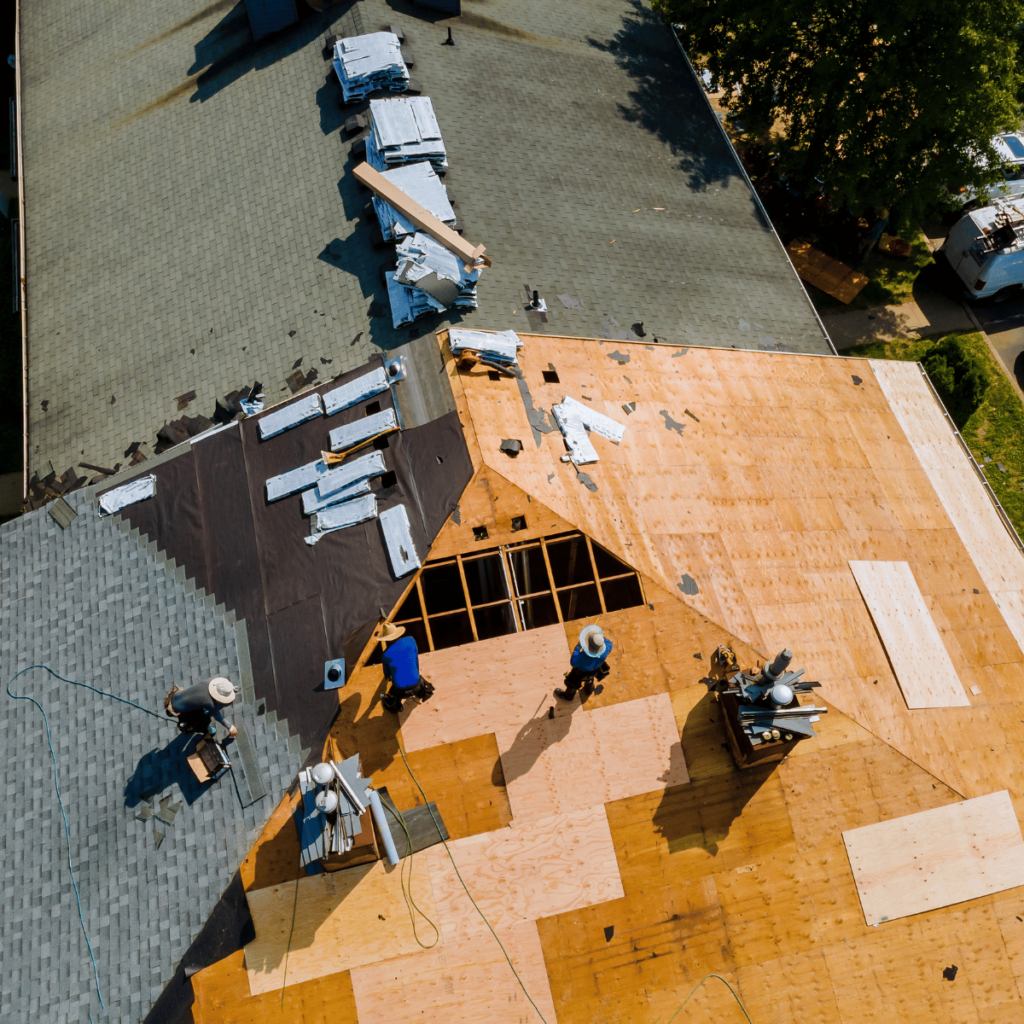
Matching your home’s existing siding, roofing, or brick can affect the price. For example, standard asphalt shingles are more affordable than slate or standing seam metal. Inside, hardwood floors, custom staircases, or high-end tile will raise the budget quickly.
The trick is deciding where you want to splurge and where you can choose durable, cost-effective finishes.
Plumbing, Electrical, and HVAC
If your new space includes a bathroom, you’ll need plumbing lines run upstairs. Bedrooms will require additional electrical wiring. Many homeowners also find they need a larger HVAC unit to heat and cool the expanded space comfortably.
Permits and Plans
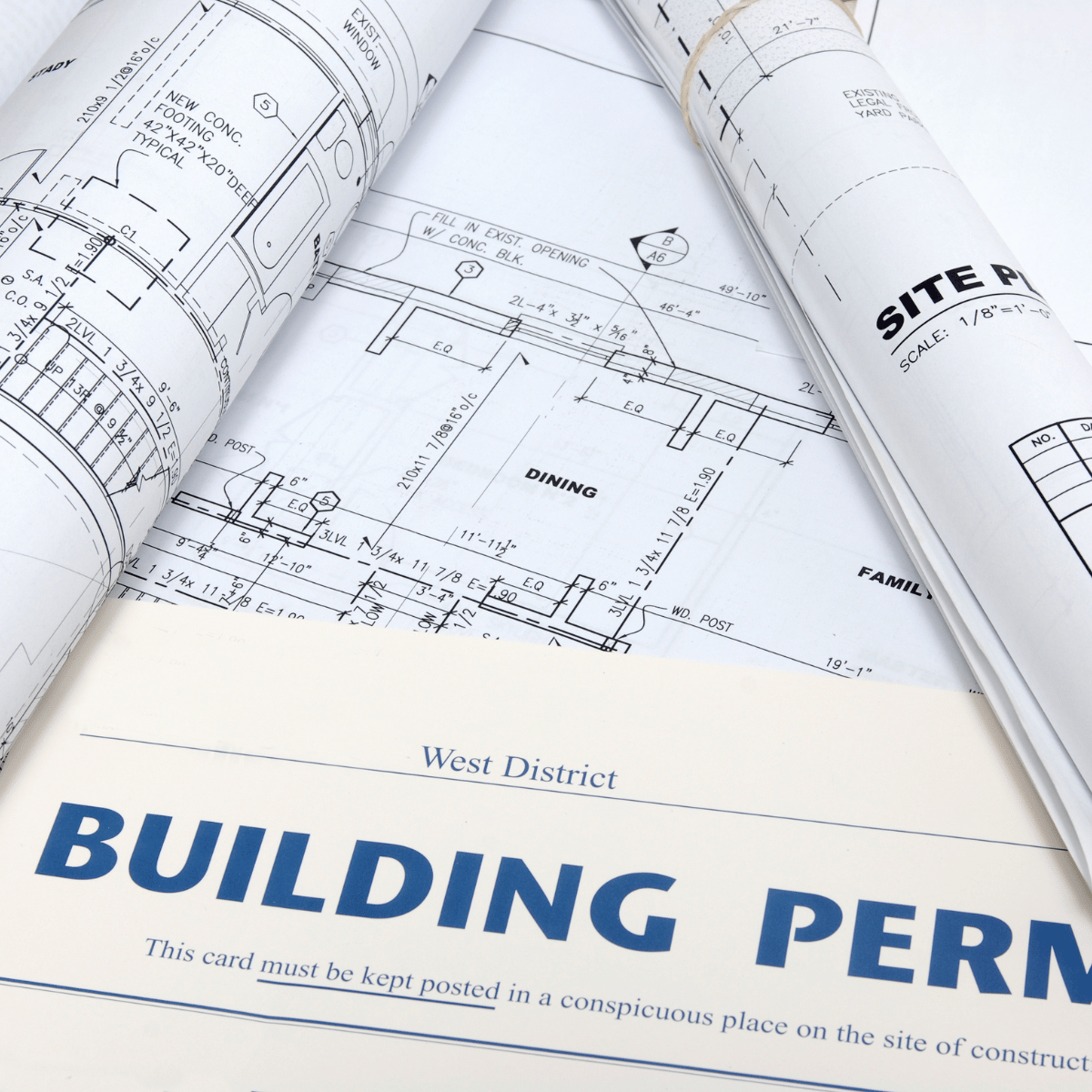
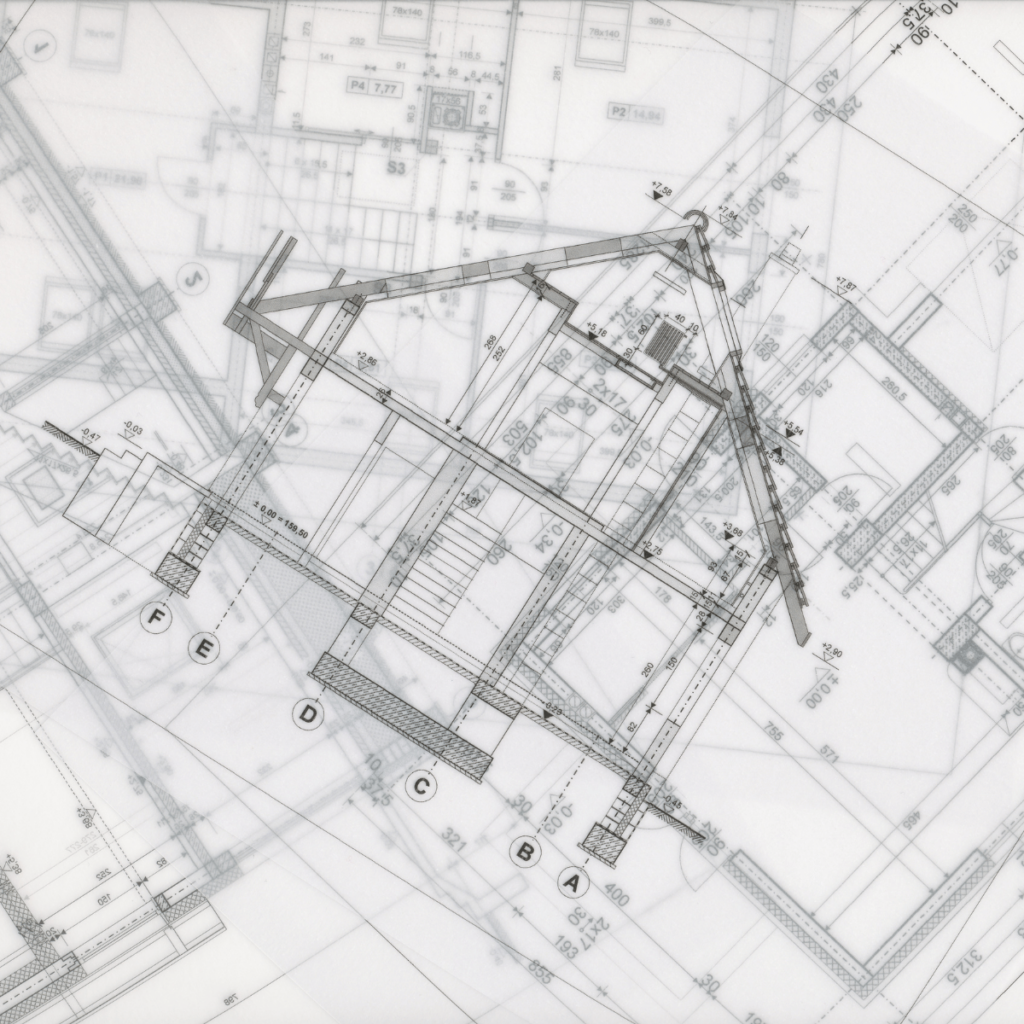
Every second-story project in North Carolina will require permits and inspections. You’ll also need professional drawings from an architect or designer. These are not optional, and they do add to the total project cost.
What to Expect for Cost in the Triad
Here’s a ballpark for our area:
- Basic build with standard finishes: $150–$180 per sq. ft.
- Mid-range with some upgrades: $180–$220 per sq. ft.
- High-end with custom features: $220–$250+ per sq. ft.
For a 1,000-square-foot addition, that’s anywhere from $150,000 to $250,000 or more. See How to Read and Compare Remodeling Estimates and Why Choosing the Lowest Bid Can Cost You More.
Timeline
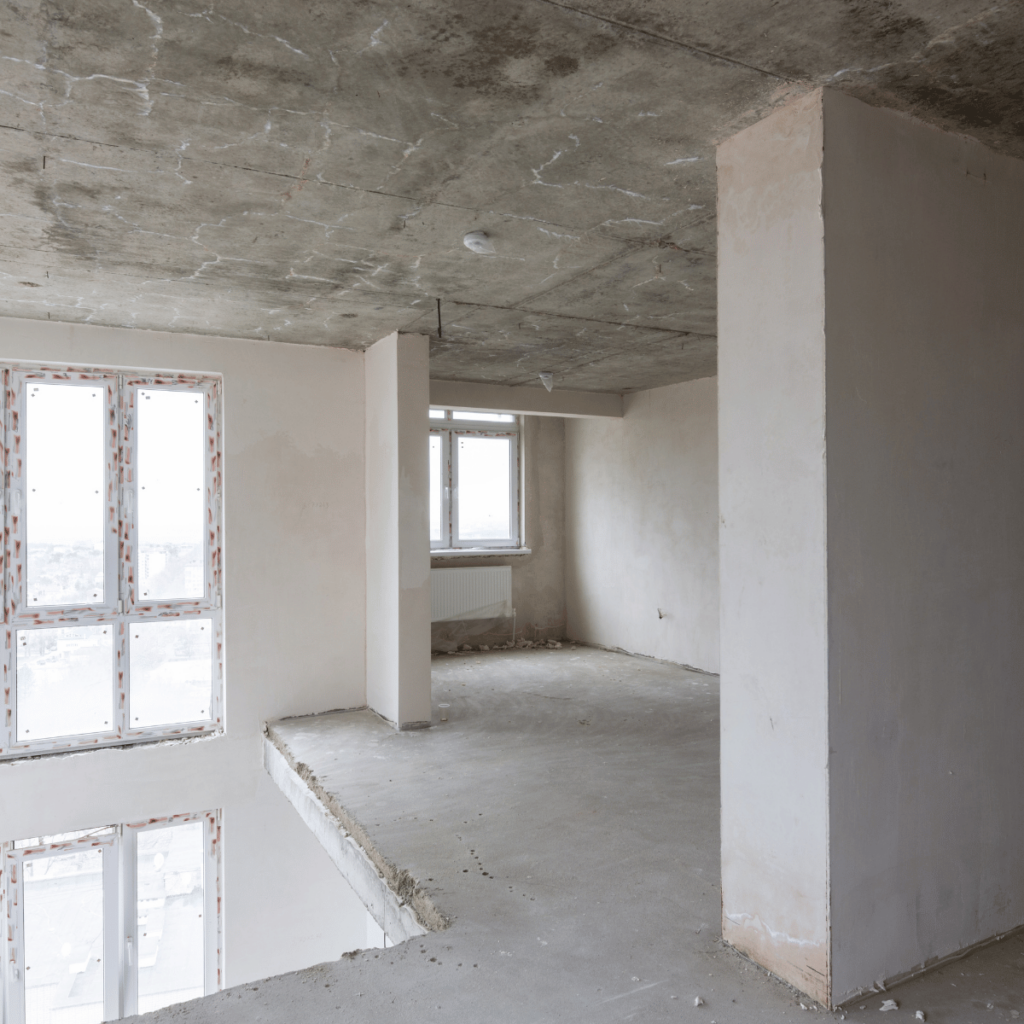
Adding a second story is one of the more complex home renovations. A general timeline might look like this:
- Design and planning: 4–8 weeks
- Permitting: 2–4 weeks (can overlap with design)
- Construction: 3–6 months, depending on scope and weather
Because you’re building over your existing space, there may be a short period when you need to move out, especially during roof removal and framing. I recommend looking over What to Expect in the First Week of Your Remodel and Living at Home During a Remodel: Survival Tips.
Why Local Experience Counts
Every town has its own permitting process, and knowing the local codes can save weeks of back-and-forth. A contractor familiar with the area can help keep the project moving smoothly and make sure your new second story looks like it’s always been part of your home.